Introduction
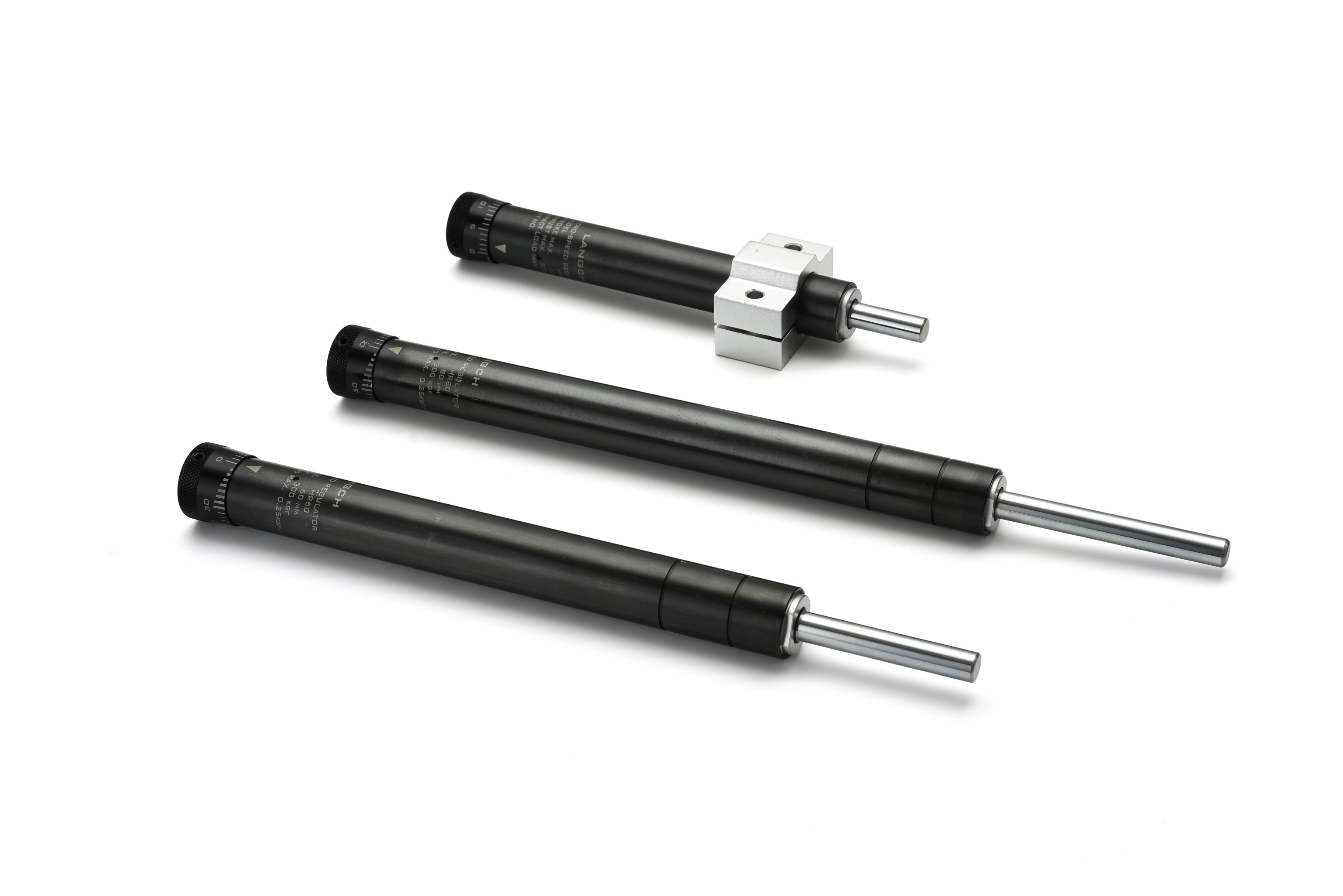
Industrial machinery faces constant stress from impacts and vibrations. Have you ever wondered how such forces are managed without damaging critical equipment? In this article, we'll explore what an industrial shock absorber is and how it works. You’ll learn how these devices protect machinery, enhance efficiency, and extend the lifespan of industrial systems. Stay tuned to discover the vital role of shock absorbers in your industry.
How Industrial Shock Absorbers Work
Conversion of Kinetic Energy
Energy conversion is a core function of industrial shock absorbers. Through hydraulic or pneumatic systems, shock absorbers convert kinetic energy into thermal energy. This process involves the interaction between the piston and the fluid, and the precision of flow orifices controls the liquid's flow speed to ensure effective energy conversion and dissipation.
| Parameter | Description | Technical Specifications | Units |
| Operating Principle | Converts kinetic energy into thermal energy | Energy conversion efficiency | 95% |
| Fluid Type | Hydraulic oil or compressed air | Fluid temperature range | -20°C to 120°C |
| Orifice Size | Controls the flow of liquid | Precision flow orifices | 0.1mm - 3mm |
| Piston Type | Controls liquid flow in hydraulic systems | Piston size | 10mm - 50mm |
| Heat Dissipation | Heat dissipated through the device’s outer shell | Heat dissipation efficiency | 90% |
Tip:To ensure the longevity and efficiency of the shock absorber, regularly check fluid status and maintain temperatures within the specified operating range.
Damping Mechanisms
The damping mechanism of industrial shock absorbers is crucial for ensuring smooth deceleration. These devices typically use hydraulic or pneumatic fluids to decelerate moving objects. In hydraulic shock absorbers, oil is used, while pneumatic shock absorbers rely on compressed air. Both methods allow the absorber to manage energy dissipation effectively, reducing shocks and vibrations that could cause excessive wear on machinery. This consistent deceleration ensures that machinery operates efficiently, even under high-speed or high-load conditions.
Force Deceleration
One of the key features of industrial shock absorbers is their ability to provide a uniform deceleration force throughout the entire stroke. This means that the energy from impacts is absorbed progressively and evenly, avoiding sudden jolts or spikes in force that could cause damage to the equipment. By offering controlled, linear deceleration, these shock absorbers ensure that moving loads are brought to a halt in the shortest time with the least amount of force, preserving the integrity of the machinery and the safety of the operators.
Types of Industrial Shock Absorbers
Hydraulic Shock Absorbers
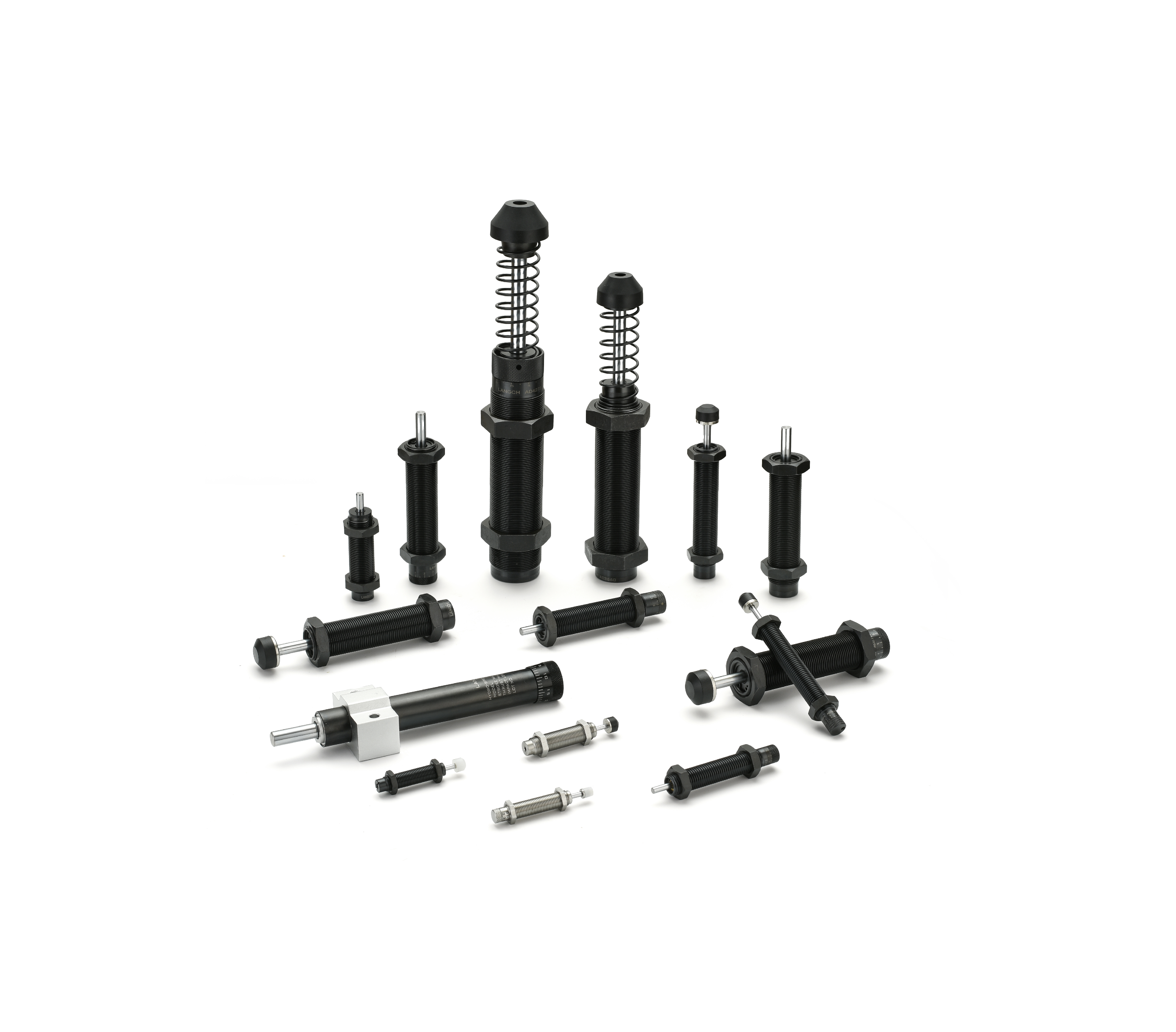
Hydraulic shock absorbers are widely used in applications where heavy loads and high impact forces are common. They work by using pressurized hydraulic fluid to absorb the energy from an impact. The fluid flows through a series of small orifices, which slows the movement of the piston and dissipates the energy as heat. These shock absorbers are ideal for use in environments with heavy machinery, such as steel mills, construction equipment, and large manufacturing systems, where the ability to handle significant forces is essential.
Pneumatic Shock Absorbers
Pneumatic shock absorbers use compressed air to absorb energy from moving objects. They are often preferred in applications where hydraulic systems may not be suitable due to space constraints or the need for more flexible and lightweight solutions. These shock absorbers are effective in lighter-duty applications where moderate deceleration forces are required. They are commonly used in packaging machinery, robotics, and automation systems where smooth, controlled movement is necessary but the loads are not as heavy as those encountered in hydraulic systems.
H3: Self-Compensating and Adjustable Models
Self-compensating shock absorbers are designed to adjust automatically to changing energy conditions, such as variations in speed, weight, or impact force. This makes them particularly useful in applications where the load characteristics change dynamically. On the other hand, adjustable shock absorbers allow operators to manually set the level of damping force, providing flexibility for systems that require fine-tuning to handle varying impact forces. These shock absorbers are often used in custom applications or where operational conditions are not constant.
Key Applications of Industrial Shock Absorbers
In Manufacturing Equipment
In manufacturing equipment, shock absorbers are crucial for controlling machinery movement. They prevent damage caused by abrupt stops and are used in conveyors, robotic arms, and automated assembly lines. These devices ensure smooth, efficient production while reducing the wear on machinery.
| Application | Equipment Type | Primary Function | Technical Specifications |
| Conveyors | Industrial conveyor systems | Control smooth stops of goods | Max load: 500kg |
| Robotic Arms | Automated robotic arms | Absorb impact and maintain accuracy | Precision: ±0.1mm |
| Automated Assembly Lines | Automated production lines | Prevent vibration and shock damage to components | Operating speed: 30m/min |
| Assembly Machines | Automated assembly units | Ensure accurate component fit | Max acceleration: 10m/s⊃2; |
Tip:When choosing shock absorbers for manufacturing equipment, consider both load handling and speed requirements to select the most effective solution.
In Packaging and Automation
Industrial shock absorbers are integral in packaging and automation systems, where they control the deceleration of heavy products during transfers, stacking, and sorting. These absorbers prevent damage by absorbing and dissipating impact forces. In material handling, they reduce vibrations, ensuring precise and smooth movement. The use of shock absorbers in these systems improves cycle time efficiency, minimizes downtime, and enhances overall safety by preventing accidents caused by uncontrolled impacts or vibrations.
In Construction and Heavy Industries
In heavy industries like construction, industrial shock absorbers play a vital role in safeguarding equipment and workers. They are used to manage the substantial forces encountered during material handling, such as when cranes lower heavy loads like steel coils. Shock absorbers protect sensitive machinery by minimizing the energy transferred from sudden stops or impacts. Additionally, they improve the safety of the operators by reducing the likelihood of machine failure, preventing potential accidents caused by excessive force or vibration in these high-risk environments.
Advantages of Using Industrial Shock Absorbers
Reducing Machine Wear and Tear
Industrial shock absorbers reduce machine wear by dissipating the energy from impacts and vibrations, which otherwise contribute to the gradual degradation of components. This process prevents the build-up of fatigue, a major cause of failure in high-stress mechanical systems. By evenly distributing these forces, shock absorbers reduce localized stresses on components, minimizing maintenance intervals and extending the overall service life of machinery. Studies show that properly maintained shock absorbers can lower maintenance costs by up to 25%, offering long-term savings.
Enhancing Operational Efficiency
By providing smooth deceleration and controlling the motion of moving loads, industrial shock absorbers ensure that machinery operates at optimal speeds without sacrificing performance. This reduces cycle times and helps machines achieve faster throughput while maintaining precision. Shock absorbers also reduce energy loss from uncontrolled movements, optimizing energy consumption in manufacturing processes. In high-speed environments, the ability to control movement minimizes mechanical stress, preventing production delays and enabling a consistent output.
Improving Safety
In addition to enhancing machine performance, industrial shock absorbers also play a crucial role in improving safety in the workplace. By minimizing the impact of sudden movements and reducing vibration, shock absorbers help protect both equipment and personnel from potential accidents. This is especially important in industries where heavy machinery or moving parts pose a risk to operators and workers nearby.
Choosing the Right Industrial Shock Absorber
Factors to Consider
When selecting an industrial shock absorber, beyond load weight, speed, and impact force, the shock absorber’s response time and damping characteristics are also crucial. For example, systems with frequent rapid starts and stops may require shock absorbers with quick response capabilities to prevent premature wear. The environmental factors, such as exposure to extreme temperatures, moisture, or corrosive chemicals, should also guide material selection. For instance, in food production or pharmaceuticals, shock absorbers made from corrosion-resistant materials are preferred. Thoroughly considering these factors ensures optimal machine protection and efficiency.
Sizing and Capacity
Correct sizing and capacity matching is critical in selecting an industrial shock absorber. A mismatch can result in inefficient energy absorption, leading to excessive wear or even equipment failure. Precise calculations of weight and velocity, as well as anticipated deceleration times, are essential to ensure the shock absorber is correctly sized. Manufacturers often rely on load velocity charts, dynamic force formulas, and stroke length recommendations from shock absorber manufacturers to make informed decisions. Oversizing can increase operational costs, while undersizing leads to inadequate impact absorption, compromising machine performance and safety.
Customization Options
Custom shock absorbers provide tailored solutions for specific needs, such as adapting to varying loads, extreme environments, or unique equipment. Features like self-compensating mechanisms, manual adjustability, special materials, and custom sizing ensure optimal performance in diverse applications. Below are the available customization options.
| Custom Option | Description | Adjustable Range | Suitable Conditions |
| Self-Compensating | Automatically adapts to load changes | No manual adjustment required | For systems with variable load conditions |
| Manual Adjustability | Allows manual adjustment of damping force | 0 - 100% | Ideal for precision control applications |
| Special Materials | Uses corrosion-resistant or high-temperature materials | High-temperature/ corrosion options | For use in harsh environments |
| Custom Sizing | Tailored size for specific equipment | Length, diameter range | Custom applications requiring specific fit |
Maintenance and Replacement of Industrial Shock Absorbers
Monitoring Performance and Wear
Continuous monitoring of shock absorbers is essential to ensure optimal performance and prevent costly failures. Beyond oil leaks and reduced deceleration, excessive heating or inconsistent damping force can also indicate wear. Using condition-monitoring tools, such as vibration sensors and pressure gauges, can help detect early signs of wear that might not be visible. In some high-performance applications, implementing a predictive maintenance schedule based on shock absorber data can reduce downtime by up to 40%, allowing for timely replacements and more efficient operations.
Replacement Guidelines
Replacing shock absorbers at the first sign of wear is crucial to avoid damage to machinery and other critical components. In addition to oil leaks and reduced damping, it’s important to monitor shock absorber response during sudden stops or rapid acceleration. The failure to absorb energy efficiently can strain other parts, causing them to wear prematurely. Timely replacement of shock absorbers reduces maintenance costs and helps avoid catastrophic failures, thereby ensuring the consistent performance and longevity of the entire system. Regular inspection protocols should be established for optimal operational safety.
Long-Term Care and Cost-Effectiveness
Extending the life of industrial shock absorbers requires more than just regular inspections; proactive maintenance is key. This involves checking for external contaminants such as dust or chemical residues, which could degrade the materials over time. Implementing periodic adjustments to damping force helps maintain performance as wear occurs, especially in high-demand systems. Proper lubrication, sealing, and cleaning can increase a shock absorber's service life by up to 30%, making maintenance a vital aspect of long-term cost savings. By investing in routine care, manufacturers can significantly reduce replacement frequency, resulting in more sustainable operations.
Conclusion
Industrial shock absorbers are essential for enhancing machinery performance, safety, and longevity. By controlling deceleration and reducing vibrations, they protect equipment from damage and ensure smoother operations. Ningbo Langch International Trade Co., Ltd. offers high-quality shock absorbers designed to meet various industrial needs. Their products provide significant value by improving operational efficiency, reducing maintenance costs, and extending machinery lifespan. Proper selection and maintenance of shock absorbers are crucial to optimizing machine performance and minimizing downtime.
FAQ
Q: What is an industrial shock absorber?
A: An industrial shock absorber is a vital component used in machinery to absorb kinetic energy, converting it into thermal energy. This helps reduce vibrations, prevent equipment damage, and ensure smooth operation in various industrial systems.
Q: How does an industrial shock absorber work?
A: An industrial shock absorber works by converting kinetic energy from moving loads into heat through hydraulic or pneumatic systems. This process controls deceleration, ensuring smooth stops and preventing mechanical damage.
Q: Why is an industrial shock absorber important for machinery?
A: An industrial shock absorber is crucial for reducing mechanical wear, controlling vibrations, and extending the lifespan of machinery. It helps minimize downtime and maintenance costs, ensuring smoother and more efficient operations.
Q: How do I choose the right industrial shock absorber?
A: To choose the right industrial shock absorber, consider factors such as the weight, speed of the moving load, impact force, and the operating environment. Proper sizing and capacity matching are key to ensuring optimal performance.
Q: What are the benefits of using industrial shock absorbers?
A: Industrial shock absorbers reduce wear and tear, enhance operational efficiency, and improve safety by absorbing impacts and vibrations. This results in lower maintenance costs and extended machinery lifespan.
Q: What is the cost of an industrial shock absorber?
A: The cost of an industrial shock absorber varies depending on factors like size, type, and application. Generally, hydraulic shock absorbers tend to be more expensive than pneumatic models due to their heavy-duty capabilities.


